Brick, stone, and concrete are built to last, but they are not built to last forever without maintenance. Over time, exposure to Illinois winters, moisture, and ground movement puts serious stress on masonry structures. The problem is, most homeowners wait too long before calling a masonry contractor.
By the time the damage is obvious, the repair cost has often tripled.
This guide walks through the key warning signs that signal it is time to stop watching and start calling before a small crack becomes a structural problem.
Why Masonry Damage Is Easy to Ignore
Masonry deteriorates slowly. That is exactly what makes it dangerous.
A hairline crack in a brick wall does not look alarming on a Tuesday morning. But that same crack, left untreated through a freeze-thaw cycle in an Illinois winter, widens, deepens, and eventually compromises the structural integrity of the entire wall.
Most brick and stone repair jobs that end up costing thousands of dollars started as jobs that would have cost a few hundred. The difference is timing.
6 Warning Signs That Mean It Is Time to Call a Masonry Contractor
1. Cracks in Brick, Stone, or Mortar
Not all cracks are equal, but none of them should be ignored.
- Hairline cracks in mortar joints are the earliest warning sign
- Stair-step cracks running diagonally along mortar lines often point to foundation movement or soil settlement
- Horizontal cracks in retaining walls or basement walls are the most serious and require immediate evaluation
If the crack is wider than 1/4 inch, or if it is growing, get a professional masonry inspection scheduled as soon as possible.
2. Crumbling or Missing Mortar Joints
Mortar is the binding agent that holds brickwork together. It has a lifespan of roughly 20 to 30 years, and in climates like Illinois where freeze-thaw cycles are aggressive, it often wears faster.
When mortar starts to crumble or fall away, the bricks themselves begin shifting. Water infiltrates the gaps, freezes, expands, and forces the bricks apart from the inside.
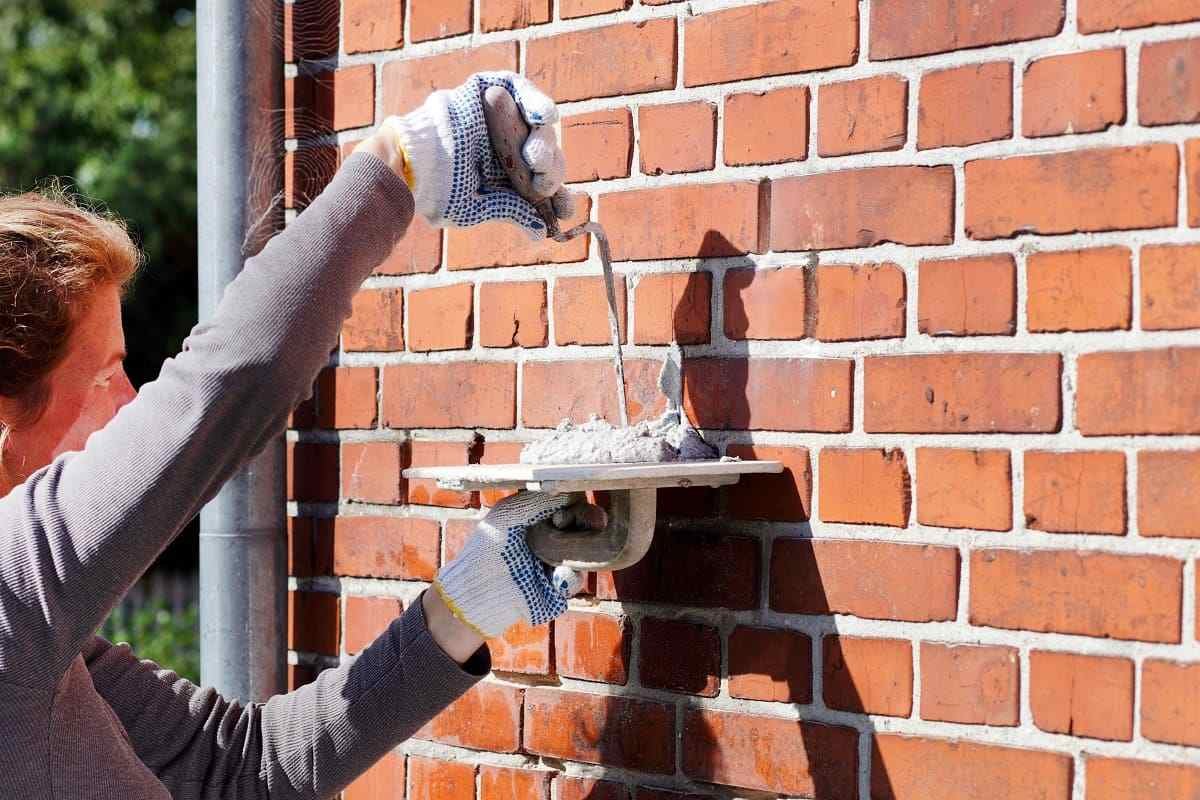
The fix is called tuckpointing, removing the old mortar and replacing it with fresh, properly mixed compound. It is one of the most cost-effective masonry repairs available, but only when it is caught early.
3. Efflorescence (White Staining on Masonry Surfaces)
That chalky white residue on brick or stone surfaces is not just cosmetic. Efflorescence occurs when water moves through masonry and carries dissolved salts to the surface.
It is a direct signal that water is penetrating the structure.
Left unaddressed, the same water causing that white staining is also degrading the mortar, saturating the substrate, and potentially working toward the interior of the building. A masonry contractor can identify the source of infiltration and apply the appropriate waterproofing or repair treatment.
4. Chimney Deterioration
Chimneys take the harshest abuse of any masonry structure on a home. They sit fully exposed to the elements sun, rain, ice, and wind year-round, on top of a structure that also produces heat and combustion gases from below.
Signs that chimney repair is overdue include:
- Spalling bricks (bricks flaking or popping off in layers)
- A damaged or missing chimney crown
- Deteriorating flashing where the chimney meets the roofline
- Visible cracks in the chimney stack
A deteriorating chimney is not just an aesthetic issue. It is a fire safety and carbon monoxide risk. Do not defer this one.
5. Bowing, Bulging, or Leaning Walls
A masonry wall that is no longer plumb, meaning it leans, bows outward, or bulges, has gone past cosmetic damage territory.
This is a structural issue.
Brick wall repair at this stage typically involves rebuilding the affected section, installing wall ties, or addressing the underlying cause such as soil pressure or water damage behind the wall. The longer it is left, the more material needs to be replaced.
If a wall is visibly out of alignment, contact a licensed masonry contractor before it progresses further.
6. Water Damage or Interior Moisture Near Masonry Walls
If interior walls near a brick or stone exterior are showing water stains, peeling paint, or mold growth, the masonry on the outside may be the entry point.
Stone and brick are naturally porous. Without proper sealing and mortar integrity, they allow water to travel inward. In Illinois, where summer humidity is high and winter ice is brutal, this cycle repeats season after season until it becomes a major remediation project.
A masonry inspection can identify the breach point and recommend a long-term fix rather than a cosmetic bandage.
When DIY Masonry Repair Goes Wrong
A quick search online makes masonry repair look approachable. Mix some mortar, fill the crack, done.
The reality is more complicated.
Masonry repair requires the right mortar mix matched to the original material. Using a mortar that is too hard on older, softer bricks actually accelerates damage the mortar does not flex, so the brick absorbs all the stress and begins to crack instead. This is an extremely common DIY mistake.
Beyond material selection, structural issues require professional assessment to identify the root cause. Filling a crack without understanding why it appeared means the crack comes back often worse.
For anything beyond minor cosmetic surface work, a professional masonry contractor will save time, money, and further structural damage in the long run.
What to Expect From a Professional Masonry Assessment
A reputable masonry company will not quote a job without a proper walk-through. During an assessment, the contractor evaluates:
- The full scope of visible damage
- The underlying cause (settlement, moisture, freeze-thaw, age)
- Which repair method is appropriate for the material and structure
- Whether waterproofing or sealing is needed as a preventative measure
At Arch Masonry, assessments are thorough and honest. With over 100 years of combined crew experience and a reputation built since 2003 across East Peoria, Washington, IL, and surrounding communities, the team does not recommend repairs that are not necessary and does not underestimate the ones that are.
Protecting Your Investment Before Problems Start
The best masonry repair is the one that never becomes necessary.
Annual visual inspections, especially after Illinois winters, catch problems at the hairline crack stage rather than the structural failure stage. Keeping gutters clean and properly directed away from masonry foundations reduces water infiltration significantly. Sealing exposed stone and brick surfaces every few years adds an additional layer of protection.
Small preventive steps compound into significant savings over the life of a home or building
Frequently Asked Questions
Q1: How often should masonry be inspected?
At minimum, once a year, ideally in the spring after the freeze-thaw season has passed. Homes in Illinois with older brick or stone structures benefit from inspection every year given the intensity of local winters.
Q2: What is the difference between tuckpointing and repointing?
Both involve repairing mortar joints, but tuckpointing uses two contrasting colors to create the illusion of fine, tight joints, while repointing refers to the general process of removing old mortar and replacing it. In common usage, the terms are often used interchangeably.
Q3: Can brick walls be repaired without replacing the bricks?
In many cases, yes. If the bricks themselves are structurally sound, mortar joint repair or tuckpointing can restore the wall without replacing individual bricks. Spalling or severely damaged bricks may need to be removed and replaced, but a skilled masonry contractor will preserve as much original material as possible.
Q4: Is chimney repair covered by homeowners insurance?
It depends on the cause. Damage resulting from a sudden event, such as a storm or a falling tree, is typically covered. Deterioration from age or lack of maintenance is generally not. A contractor who documents the damage thoroughly can assist with the insurance claim process.
Q5: How long does masonry repair last?
When done correctly with the right materials, professional masonry repairs last decades. Tuckpointing typically holds 20 to 30 years. Structural repairs, when the root cause is properly addressed, can outlast the original construction. The key is hiring a contractor who does the job right rather than the job fast.
Arch Masonry serves East Peoria, Washington, Morton, Dunlap, Peoria, and surrounding communities across central Illinois. For masonry inspections, brick repair, chimney restoration, stone work, or foundation crack repair, call (309) 303-6583.