
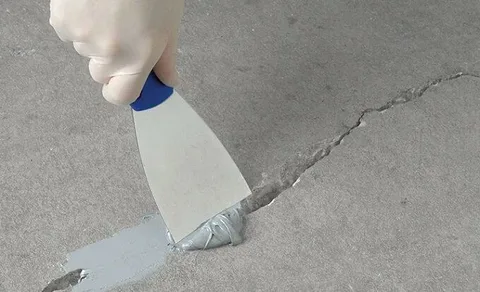
Concrete is a durable and versatile building material, but over time, it can develop cracks, chips, and other signs of wear due to weather exposure, heavy loads, or natural settling. Whether it is your driveway, patio, sidewalk, or foundation, addressing concrete damage early prevents further deterioration, enhances safety, and restores curb appeal.
If your concrete surfaces show signs of damage, knowing the right repair techniques can help extend their lifespan and improve functionality. This guide explores common concrete repair methods, cost considerations, and preventative maintenance tips to keep your concrete surfaces in top condition.
Common Concrete Issues That Require Repair
Understanding the causes of concrete damage helps determine the best repair solutions. Here are some of the most frequent issues homeowners and businesses face.
Cracking
- Small hairline cracks can develop due to temperature changes and natural settling.
- Larger cracks may indicate structural issues or heavy-weight stress.
Spalling (Surface Flaking or Chipping)
- Occurs when the top layer of concrete breaks away, leaving a rough, uneven surface.
- Often caused by freeze-thaw cycles, moisture penetration, or improper finishing techniques.
Pitting and Scaling
- Small holes or indentations in concrete surfaces can result from exposure to de-icing salts and harsh weather.
- Scaling occurs when the top layer peels away, reducing the concrete’s strength and appearance.
Uneven or Sunken Concrete
- Soil erosion or poor compaction can lead to concrete sinking or becoming uneven.
- Creates tripping hazards and drainage issues.
Discoloration and Stains
- Oil spills, rust, and weather exposure can cause unsightly stains on concrete.
- Improper mixing or finishing can also lead to inconsistent coloration.
Structural Damage
- Severe cracking, crumbling, or shifting concrete in foundations or load-bearing areas may indicate serious structural concerns.
- Requires immediate attention to prevent safety risks.
Concrete Repair Methods
Once damage is identified, choosing the appropriate repair method ensures long-term durability and performance.
Crack Repair
- Small cracks (less than 1/4 inch) can be sealed with a concrete crack filler or epoxy.
- Larger cracks may require a concrete patching compound or polyurethane injection to prevent further expansion.
Spalling and Surface Repair
- Light spalling can be fixed using a resurfacing compound to restore a smooth finish.
- For deep spalling, damaged areas may need to be chipped away and patched with new concrete.
Concrete Resurfacing
- A thin overlay is applied to old or worn-out concrete to restore its appearance and durability.
- Ideal for driveways, patios, and sidewalks with minor surface damage.
Leveling and Lifting (Slabjacking or Mudjacking)
- A process that injects a cement-based slurry or polyurethane foam under sunken concrete to raise and level it.
- A cost-effective alternative to full replacement for driveways, sidewalks, and garage floors.
Reinforcement for Structural Damage
- For foundations and structural concrete, reinforcement may include steel bars, carbon fiber straps, or additional concrete layers.
- Professional assessment is necessary to determine the best solution.
Stain and Discoloration Treatment
- Power washing, chemical treatments, or concrete staining can remove stains and restore color consistency.
- Sealing the surface prevents future discoloration.
DIY vs. Professional Concrete Repair
Some concrete repairs can be done by homeowners, while others require skilled professionals.
DIY Concrete Repairs
- Filling small cracks with epoxy or sealant.
- Cleaning and applying a concrete resurfacer for minor surface damage.
- Power washing and sealing concrete to maintain its appearance.
When to Hire a Professional
- Large cracks or structural damage requiring reinforcement.
- Concrete leveling or slabjacking for sunken surfaces.
- Foundation issues that impact the stability of the home or building.
Professionals have the tools and experience to ensure the job is done safely and effectively.
Preventative Maintenance for Long-Lasting Concrete
Regular maintenance extends the lifespan of concrete surfaces and minimizes the need for repairs.
Seal Concrete Surfaces
- Apply a high-quality sealer every few years to protect against moisture, stains, and wear.
- Helps prevent cracks, spalling, and discoloration.
Proper Drainage and Water Control
- Ensure gutters and downspouts direct water away from concrete surfaces to prevent erosion and damage.
- Avoid letting standing water sit on driveways, patios, or walkways.
Avoid Using De-Icing Salts in Winter
- Salt can accelerate concrete deterioration by penetrating the surface and causing freeze-thaw damage.
- Use sand or calcium-based products as safer alternatives.
Repair Small Issues Before They Worsen
- Address minor cracks and chips early to prevent larger, costlier repairs.
- Inspect concrete regularly for signs of wear and damage.
Protect Heavy-Use Areas
- Use mats or pads under heavy equipment or vehicles to reduce stress on concrete surfaces.
- Avoid placing excess weight on weak or thin concrete slabs.
Benefits of Concrete Repair
Investing in timely concrete repair offers multiple advantages for homeowners and businesses.
Enhances Safety
- Prevents trip hazards from cracks and uneven surfaces.
- Reduces liability risks on commercial properties.
Increases Property Value
- Well-maintained concrete boosts curb appeal and market value.
- Makes a positive impression on potential buyers.
Improves Structural Integrity
- Reinforces foundation strength and longevity.
- Prevents minor damage from escalating into major structural issues.
Cost-Effective Alternative to Replacement
- Repairs extend the life of concrete surfaces without the high cost of full replacement.
- Saves money in the long run by preventing further deterioration.
Conclusion
Concrete repair is essential for maintaining the strength, durability, and visual appeal of your home or property. Whether dealing with cracks, spalling, discoloration, or uneven surfaces, timely repairs and proper maintenance prevent more extensive damage and costly replacements.
By choosing the right repair method, understanding cost factors, and implementing regular maintenance practices, you can extend the lifespan of your concrete and keep it in excellent condition for years to come.