
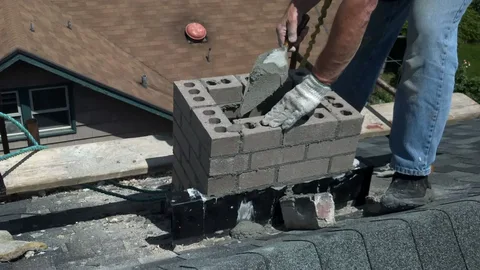
The architectural environment is changing so fast that property owners must reimagine the properties’ appearance, function, and durability. High-quality curb appeal today needs to go hand in hand with energy efficiency and structural resilience. When it comes to commercial building or home design, it’s important to know the state of the latest exterior construction trends to ensure you are positioned to maximize property value for the long term. In this guide, you will be able to create a structure that is truly a statement of sustainability.
1. Identifying the shifts: Today’s exterior design trends
In contemporary architecture has transcended superficial beauty. The emphasis in the industry today is on performance-based beauty. Traditional finishes are being replaced with high-frequency, durable, engineered finishes for property owners.
The most prevalent modern exterior construction design trends are clean lines and geometric shapes, combined with rich texture. Some of the more upscale residential and commercial projects are taking a holistic approach to the use of raw materials, including architectural concrete, steel accents, and natural stone to add contrast and to tie the building into its natural landscape.
2. Explore advanced materials and exterior façade styles.
To create a strong out-of-the-box appearance, one must have a thorough knowledge of durability and compatibility between the structural components. Today, the exterior facade styles are predominantly dependent on the use of mixed media.
- Architects do not enclose a building with one fabric; instead, they work with layers of fabric.
- Heavy and grounding like traditional masonry, but without sacrificing the load-bearing capacity, it is ideal for clean transitions.
- Fiber Cement Panels are extremely durable against rot, fire, and weather conditions and offer a sleek and modern look with minimalist surfaces.
- Provides organic warmth of natural wood without the need for regular sealing, fading, or warping.
These are combined strategically to produce dynamic facades that cast deep shadows, ensure visual focal points, and provide enhanced visual depth.
3. High-Performance Building Exterior Innovation
Real innovation in building exterior construction takes place in the layer below the “skin. Modern buildings must serve as protective barriers that are able to lower energy consumption.
One of the greatest developments in modern engineering is the proliferation of the use of rain-screen systems with rear-ventilated. A rain-screen is a deliberate air space between the siding material and the outer weather-resistance layer of the building, as opposed to traditional moisture barriers, which force water into the space between the siding material and the weather-resistance barrier. This setup provides good drainage of water, and vapor flow is unrestricted, effectively inhibiting the development of mold and keeping water from getting into the structural framing.
In addition, a continuous exterior insulation layer eliminates heat flow leakage through studs, which significantly reduces the seasonal heating and cooling utility bills.
4. The use of smart exterior systems and eco-conscious integration.
With the new sustainable building code regulations tightening in the country, the use of smart exterior systems is no longer an option for high-value properties.
- Bioclimatic Design
Today’s envelopes are engineered to be responsive to local weather. This includes the addition of structural sunshades, louvers, and deep roof overhangs to exclude the most damaging high-angle summer sun and to allow low-angle winter sun to filter in and naturally heat the interior of the building.
- Living Walls and Solar Facades
Building envelopes are becoming active ecosystems in the city. Vegetation-integrated panel systems offer local cooling and mitigate urban heat island effects while building-integrated photovoltaics (BIPV) transform conventional window glass and cladding into clean energy-generating panels for the exterior construction of contemporary buildings.
FAQs:
Which of the materials used for modern exterior construction building trends are the most durable?
The best materials for a modern exterior are fiber cement panels, engineered stone veneer, ultra-high performance concrete (UHPC), and treated metal cladding. They are also highly resistant to fire, resist harsh weather changes, and maintain very little throughout the lifespan when compared to stucco or standard wood siding.
What are the benefits of smart exterior construction systems for a building’s energy efficiency?
Continuous exterior construction insulation, automatic solar shades, and rear-ventilated rain-screens are just a few of the smart systems that maximize thermal performance. These help minimize thermal bridging, control solar heat gain, and regulate moisture, all of which provide substantial benefits to HVAC systems and energy costs.
What is a rain-screen system and why is it important for a modern facade?
Rain-screen is the term used to describe a type of installing exterior construction cladding is installed with a gap between the outside surface and the inside structural surface that allows air and water to flow. This allows water to flow around the outside of the panel to escape harmlessly, while the continual airflow dries away excess moisture to eliminate structural rot.
Is it possible to combine traditional masonry with modern building facades?
Absolutely. Smooth composite panels, steel, or glass are common materials that can be used in combination with natural stone or brick masonry. This provides a great texture contrast and anchors the contemporary buildings.
In today’s age, how frequently are there structural maintenance needs for modern architectural facade designs?
Outside systems of the more traditional type should be professionally inspected every 3-5 years, while modern materials are designed to be extremely durable. Recording any gaps in sealant joints, expansion gaps, or drainage weep holes prevents the moisture barrier from being compromised by minor settling or wear.